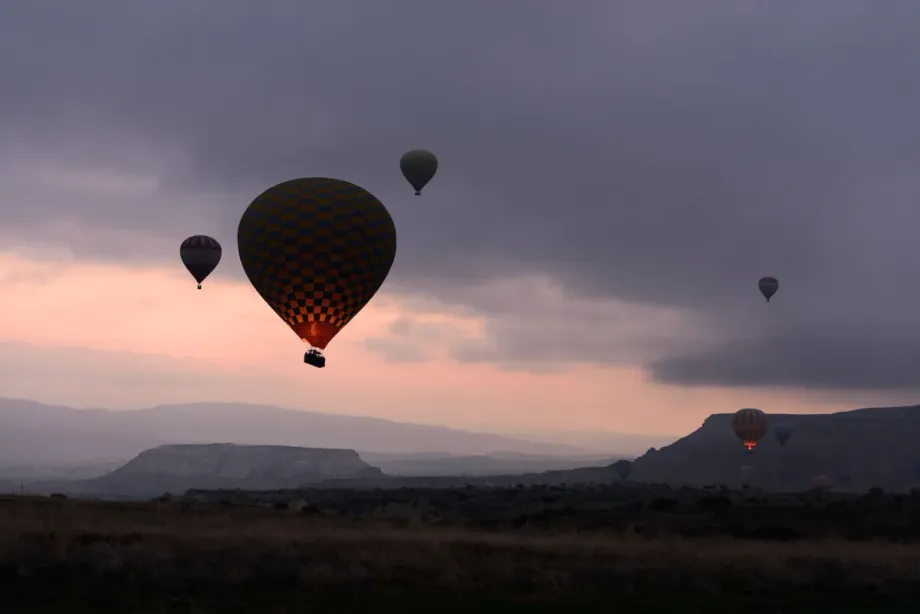
After 25 years of guiding travellers through Turkey, I’ve seen the same questions arise again and again. Here’s everything I wish every first-time visitor knew before arriving.
Quick Answer
Australian ordinary passport holders can visit Turkey without a visa for tourism or transit for up to 90 days within any 180-day period, according to Smartraveller and the Turkish Ministry of Foreign Affairs. Requirements depend on nationality, passport type and purpose. Read current safety advice and check passport validity before booking. Spring and autumn often suit archaeological visits; keep some Turkish Lira cash for small purchases and rural areas.
Visa Requirements
As checked on 7 September 2026, Smartraveller’s Türkiye advisory and the Turkish Ministry of Foreign Affairs’ Australia entry state that Australian ordinary passport holders are visa-exempt for tourism or transit stays of up to 90 days in any 180-day period. Do not apply this exemption to other passport types or purposes. For another nationality, check its individual entry on the Ministry’s website; there is no single “Western” or “EU passport” rule. Contact a Turkish embassy or consulate for your circumstances.
Passport validity: The Turkish Ministry of Foreign Affairs recommends at least 6 months from arrival. Its general entry rule requires validity for 60 days beyond the permitted visa, visa-exemption or residence-permit duration: for a 90-day exemption, that is 150 days of validity on entry. This is not six months after departure. Check separate airline and transit-country requirements.
Best Time to Visit
Turkey is a year-round destination, but the experience varies dramatically by season:
Spring (April-May): Often comfortable for archaeological visits, with wildflowers in Cappadocia. Weather and visitor numbers vary.
Autumn (September-November): My personal favourite. The summer heat has broken, the tourist crowds have thinned, and the light is extraordinary for photography. Perfect for southeastern Turkey and Göbekli Tepe.
Summer (June-August): Hot, especially in the southeast and central Anatolia. Best for coastal areas and the Black Sea region. Expect crowds at major sites.
Winter (December-March): Cold in central and eastern Turkey, but quieter. Istanbul remains appealing. Cappadocia under snow is magical, though some outdoor activities are limited.
Currency and Money
The Turkish Lira (TRY) fluctuates significantly. A few practical tips:
- ATMs are widely available in cities and tourist areas. Withdraw Lira rather than exchanging cash.
- Credit cards are accepted at hotels, restaurants, and shops in tourist areas. Visa and Mastercard are most common.
- Carry some cash for smaller purchases, tips, and rural areas.
- Tipping: 10-15% at restaurants is customary. For guides and drivers, $10-20 USD per person per day is appreciated.
What to Pack
Turkey’s diverse geography means varied climates. Essential items:
- Comfortable walking shoes — you’ll cover significant ground at archaeological sites
- Layers — temperatures can vary 15-20°C between morning and afternoon
- Modest clothing for mosque visits — women should carry a scarf to cover their hair
- Sun protection — hat, sunscreen, sunglasses (the Anatolian sun is strong)
- A good camera — you’ll want it
Cultural Considerations
Turks are famously hospitable. A few customs to know:
- Remove shoes when entering homes and some traditional establishments
- Tea is sacred — accepting an offer of çay (tea) is a sign of goodwill
- Bargaining is expected in bazaars, but not in fixed-price shops
- Dress modestly at religious sites — covered shoulders and knees for both men and women
- Learn a few words — “Merhaba” (hello), “Teşekkür ederim” (thank you), and “Lütfen” (please) go a long way
Getting Around
Turkey has excellent domestic infrastructure:
- Domestic flights connect major cities efficiently. Turkish Airlines and Pegasus are reliable.
- Private transfers are the most comfortable way to travel between sites, especially in regions with limited public transport.
- Intercity buses are comfortable and affordable for independent travellers.
- Driving is possible but not recommended for first-time visitors — traffic patterns and road conditions can be challenging.
Health and Safety
Smartraveller, checked on 7 September 2026, advises a high degree of caution in Turkey overall, with higher advice levels in some regions. Read its current regional advice and map before choosing a route and again before departure. A guided tour does not remove travel risks. Check your insurer’s coverage for the places you intend to visit.
- Drink bottled water or filtered water, especially outside major cities
- Travel insurance is strongly recommended
- Emergency number: 112 (works for police, ambulance, and fire)
- Pharmacies (Eczane) are well-stocked and pharmacists are often helpful
Final Thought
The best tip I can give: slow down. Turkey rewards those who linger. The country’s depth — 12,000 years of continuous human history — cannot be rushed. Take your time. Let the conversations happen. Accept the tea.
That’s when Turkey reveals itself.
Frequently Asked Questions
Do I need a visa to visit Turkey? Australian ordinary passport holders are visa-exempt for tourism or transit stays of up to 90 days in any 180-day period. Check the Turkish Ministry of Foreign Affairs for your nationality, passport type and purpose. The Ministry recommends six months of passport validity from arrival; the general minimum is 60 days beyond the permitted stay duration, or 150 days on entry for a 90-day exemption.
How many days do I need in Turkey? For a first visit covering Istanbul, Cappadocia, and Ephesus, plan ten days minimum. To include Göbekli Tepe and the southeastern archaeological sites, allow fourteen days. Less than a week leaves you feeling rushed and regretful.
Is Turkey safe for tourists? Smartraveller advises a high degree of caution overall, with higher regional advice levels. Check the current advisory and map, discuss your intended route, and confirm insurance coverage. Conditions can change, and guided travel does not guarantee safety.
Do I need cash or are cards enough? Credit cards (Visa and Mastercard) work at hotels, restaurants, and most shops. But I always advise carrying some Turkish Lira cash for tips, small market purchases, rural areas, and taxi drivers who prefer cash. Withdraw from ATMs rather than exchanging at airport counters.
What should I wear at mosques? Both men and women should cover their shoulders and knees. Women should carry a light scarf to cover their hair. Shoes come off at the entrance — wear slip-ons rather than laced boots. Most mosques provide coverings at the door if you have forgotten.
When is the best time to visit? Spring (April–May) and autumn (September–November) are the best windows for most travellers. Comfortable temperatures, clear light, fewer crowds. Summer is hot in the south and central Anatolia; winter is cold inland but Istanbul and Cappadocia are beautiful in snow.
Planning a trip to Turkey? Browse our guided tours or get in touch to discuss a custom itinerary.